

Ranchers, farming the vast expanses of rural mid-west America were largely overlooked by the booming telephone age that came at the end of the 19th century. Resources were poured into connecting up urban areas but the distances were just too great to wire up the sparsely populated wilderness.
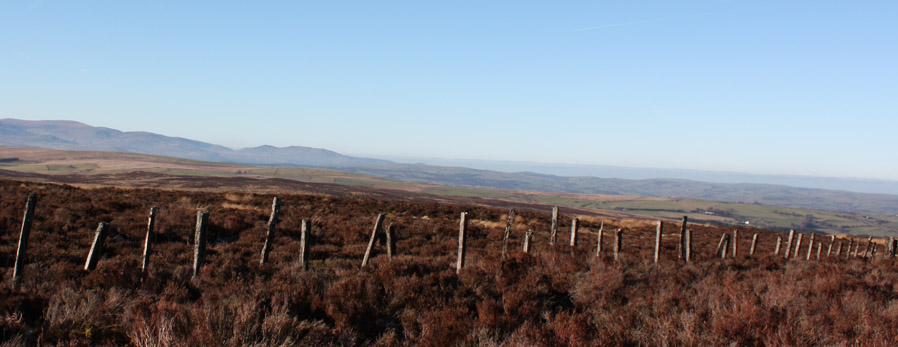
Human capacity for ingenuity knows no bounds, however, and a few enterprising ranchers realised they didn’t need to erect telegraph poles and hundreds of miles of cable to use the telephone. They already had thousands of miles of largely contiguous barbed-wire used as stock fencing.
A simple system evolved – hook up a telephone and a DC battery with a cranked magneto to power the ringer and off you go. No need for a central exchange. On this system every phone rings – you just answer the call that uses the code for your farm.
Rain induced short-circuits were a problem as were eavesdroppers reducing signal strength, but this system provided a vital rural link allowing remote families to keep in touch.
This post is an extract from New Scientist’s Christmas & New Year issue, and with the correct password you can read the whole article at “The Wired Wild West“.